
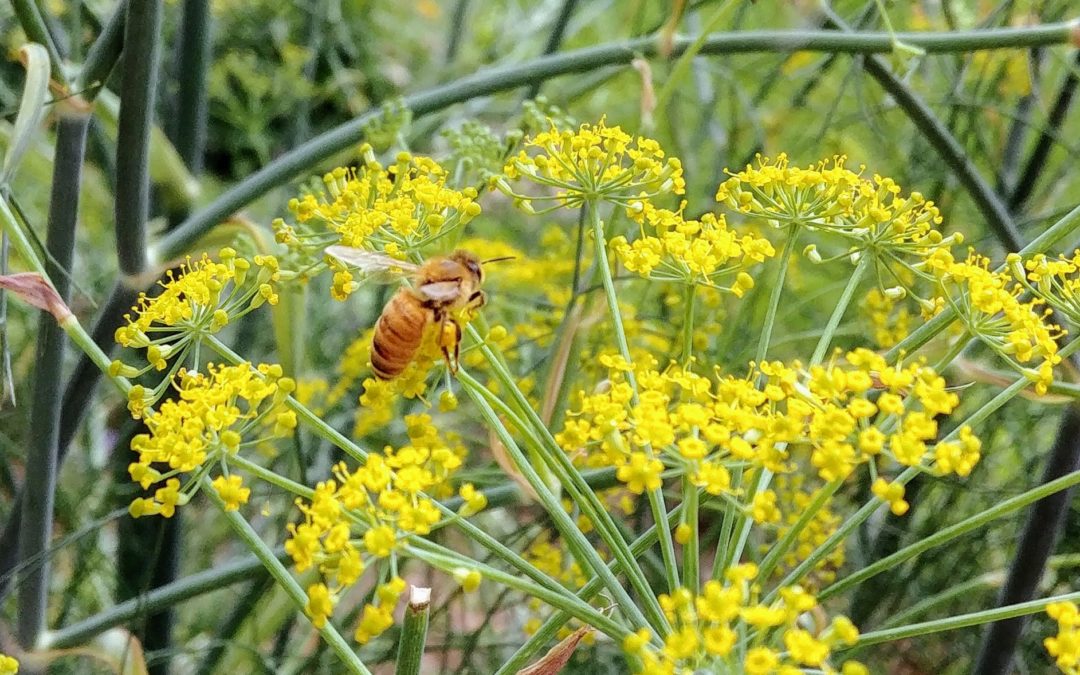
As a second-year beekeeper, I continue to learn from my “girls”. Beekeeping is certainly a science but there are also elements of intuition and knowledge gained from delving into a group in nature that for centuries has coordinated work, built colonies, survived, made a fabulous product, or sometimes, die.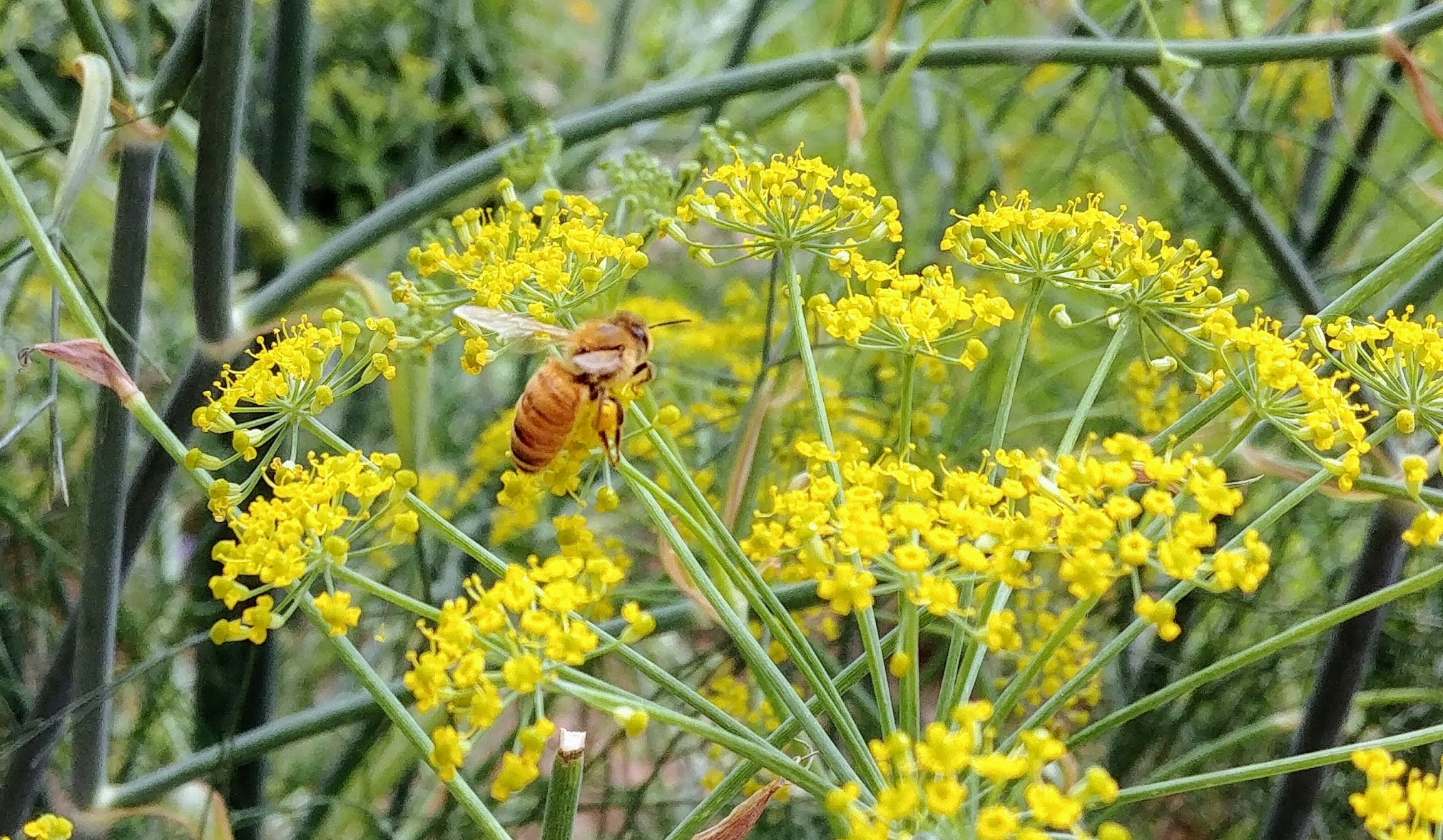
Being a beek (beekeeper for short) is being a caretaker. I am not the queen. I am not sending out pheromones to the group to help them understand what needs to be done, where to forage or when to care for the young. I just facilitate the process. But because I am helping nature, nature may still just take its own course.
In our lives, I think we are beeks. We are caretakers, but in the end, nature may take its course. Sometimes the course leads to great joy. Getting married, having children and grandchildren, that first great job, a new promotion – all great joy moments. Sometimes great sadness like losing a loved one or a personal tragedy. Losing my parents was insanely painful. Losing my first hive was great sadness as well. Watching the final few hundred bees gradually die or being snatched by blue jays was traumatic considering the time and effort a beek uses to sustain cultivated hives.
It took some time, but I shook off the grief, worked through Kubler-Ross’s grief curve, and got the gumption to start anew. Beek friends were invaluable in helping me understand nature and that a beek can lose up to 30% of their hives. I have to include that being a part of something bigger like fostering bees that enhances our humanity is pretty fulfilling.
As I move forward my new hive, I am finding I need to temper my caretaker instinct a bit. The bees need food, water, shelter, and a leader (queen) – does that sound familiar?. They don’t need someone in their hive every single day. Hmmmm.
Four More Things I’ve Learned from Bees
- Respect their “business”. Beyond making honey and comb, bees know how to manage their work. Bees have a life cycle and a work cycle that can adjust a bit based on demand. They “talk” to one another through vibrations and can direct foragers to new sites. They know when to make a new queen. Be OK with what they can do for themselves and understand what you have to do to facilitate their work.
- Let them “bee” – be patient and take pause. It’s really easy to be anxious about what a hive is doing. They are marvelous to watch in action. During high flow season, the hives are like a magical airport with ingoing and outgoing traffic nicely regulated. But do get out of the doorway. They really hate that. Sometimes a bee just wants to do its job with the best possible effort.
- “Bee” watchful – a good eye every day is helpful but you don’t need to get in the hive every day. One can learn daily signs and symptoms from afar and understanding the weather, temperature and external conditions is extremely helpful. Determine a frequency for a full assessment that works for you. Once a week? Every two weeks?
- Offer assistance – I check the beehive once a week. Depending on the time of year and hive conditions, every 10 days to two weeks I complete a full frame assessment. I check each frame for various things to determine the health of the hive including remarking on eggs, larvae, mites, “critters”, honey, pollen and nectar. If their eggs, there is a queen. I’d love to see her every time I check, but she is quite busy laying an egg a minute.
Sometimes there is nothing to do. Sometimes I have to feed. Sometimes I treat for mites. The worst case scenario is having to reinstall a queen. It happens. A good beek takes a deep breath, exhales and sends loving-kindness to the colony. And the bee-at goes on.
Thought Questions
What are things you need to know to all is right?
How do you know when to pause and when to move forward with a “check?”
What are you clues you use to know when to offer help?
How do you take care of yourself to ensure you make the best decisions possible?
Recent Comments